Yesterday I went up into the Shiga prefecture forest then down to Lake Biwa just to see how the season is changing; and it is.
My first frogs were singing in both forest and fields, Barn Swallows have even reached northern Shiga and evening bats are out in force. On the down side, Lake Biwa is looking relatively birdless and big finch flocks have all but disappeared from the forest.
I didn't arrive until after daybreak and unsurprisingly I was too late for the pre-dawn scops owl chorus so I was amazed to hear one briefly at 08:05. Equally unexpected I didn't hear my first displaying Copper Pheasant until 08:25. I had already seen a female by then but a bird flushed unseen against the low sun through thick vegetation was my only other encounter.
Another very close Japanese serow was impossible to photograph as it bolted down hill (how do they do that?) and a White's Thrush also managed to thwart my best efforts to get a single shot of it. White's is a species I come across from time to time around Lake Biwa in winter but this is the first I can recall finding in the hills in spring. This Varied Tit on the other hand was far more confiding...
Once down from the hills another thrush was the first bird of interest, a female Dusky x Naumann's intergrade. This was an obvious intergrade and the first I've seen for some time, years in fact, so it was unfortunate that a farmer chose that moment to drive up behind me on a single track road and by the time I got back to the spot the bird had gone. Another good bird with no photographic evidence!
The narrow valley between the hills did provide a few good opportunities though. Two flocks of Rooks were grubbing around on the fields and an Eastern Buzzards was reasonably approachable.
 Unlike in Kyoto where it's often necessary to stake out your cherry blossom picknick spot from first thing in the morning this family had it all to themselves. My Copper Pheasant hills are in the background and the fields in the foreground were full of buntings, Common Snipe and popular with fly-over Eastern Marsh Harriers and another Eastern Buzzard. There were also a couple of Green Pheasants - it's always nice to see both species in a day.
 Common Snipe: I'm cheating here, I got this shot a few days ago in Mie.
 Rustic Buntings.
I spent a lot of time looking at Reed Buntings here, the variation intrigued me when I came to Japan many years ago and it was good to see a number of birds feeding in the open. But more of that another time. Further south along the lake I spotted a tractor ploughing a field. This is usually a good chance to sift through wagtails and pipits but on this occasion the field was full of Black Kites.
 Black Kites following the plough.
Before heading home, or rather before joining an endless queue of traffic heading for Kyoto, I couldn't resist this Little Grebe bathing in the late afternoon sunshine.
List of species recorded:-
Copper Pheasant 1 female, a male heard and another bird flushed
Green Pheasant 1 plus 1 heard
Eurasian Wigeon 100s
Mallard widespread in low numbers
Eastern Spot-billed Duck common
Northern Shoveler 30-40
Eurasian Teal c20
Tufted Duck 20-30
Little Grebe 2-3
Great Crested Grebe several displaying pairs
Grey Heron common
Great White Egret c20
Little Egret 3
Great Cormorant c10
Black Kite common
Eastern Marsh Harrier 3
Hen Harrier 1
Eastern Buzzard 2
Common Coot 1000s
Grey-headed Lapwing 4
Common Snipe c25
Common Gull 7
Black-headed Gull c15
Rock Dove several
Oriental Turtle Dove widespread
Japanese Scops Owl 1 heard
Japanese Pygmy Woodpecker 2 heard
dendrocopos sp 2-3 heard
Japanese Woodpecker 1 plus 2 drumming and 2 calling
Jay c10
Rook 2 flocks totalling c80
Carrion Crow common
Large-billed Crow common
Great Tit fairly common in the forest
Coal Tit several, numbers way down compared to previous trip
Varied Tit common in the forest
Willow Tit surprisingly none!
Barn Swallow several
Long-tailed Tit common
Skylark common
Brown-eared Bulbul common
Japanese Bush Warbler several singing
Japanese White-eye common in the forest whereas it has been scarce recently, the reverse of Coal and Willow Tits.
Wren 3 heard
White-cheeked Starling several
White's Thrush 1
Pale Thrush 8
Dusky Thrush common
Dusky x Naumann's intergrade 1
Red-flanked Bluetail 1
Daurian Redstart 1 heard
Eurasian Tree Sparrow common
White Wagtail several
Japanese Wagtail 1 heard
Buff-bellied Pipit 1 heard
Oriental Greenfinch common
Eurasian Siskin 2 flocks heard
Eurasian Bullfinch 2-3 heard
Japanese Grosbeak c150 plus smaller numbers here and there overhead
Meadow Bunting common
Rustic Bunting c10
Reed Bunting common
Japanese serow 1
sika deer 1 plus c8 heard


 Unlike in Kyoto where it's often necessary to stake out your cherry blossom picknick spot from first thing in the morning this family had it all to themselves. My Copper Pheasant hills are in the background and the fields in the foreground were full of buntings, Common Snipe and popular with fly-over Eastern Marsh Harriers and another Eastern Buzzard. There were also a couple of Green Pheasants - it's always nice to see both species in a day.
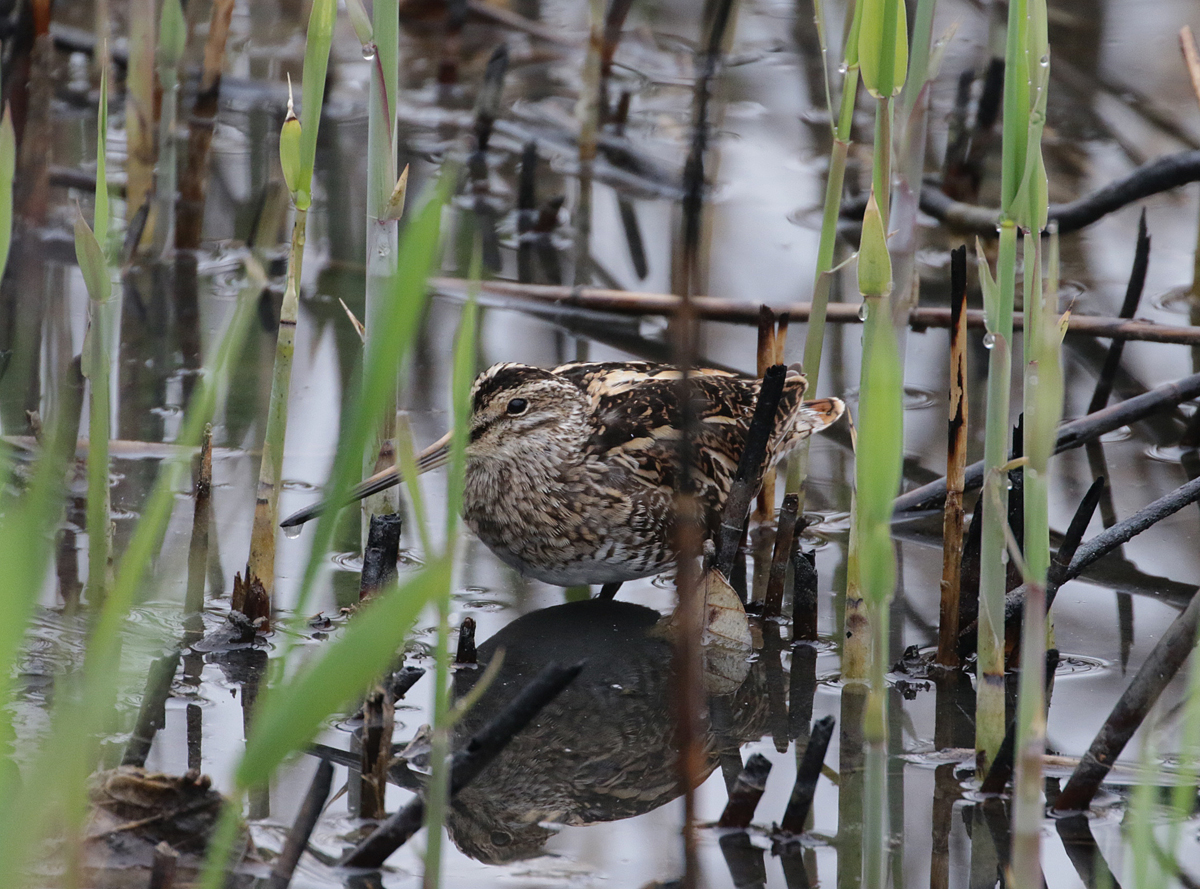 Common Snipe: I'm cheating here, I got this shot a few days ago in Mie.

 Rustic Buntings.
 Black Kites following the plough.


 This Kestrel was loyal to a short stretch of road, present each time I passed on my way to check if the Dowitchers were viewable.
 The closed eye and the fact that it was sleeping in the open ought to have been enough to suggest something was seriously wrong with the animal but I was still shocked to see the extent of mange when it made off.


